
10: Optimizing for Local Autocomplete
Author; S.Raj, M.D, Updated: 3/28/2026 Reading Time: 6
min
Is Google Sending Your "Near Me" Customers Straight to a Competitor?
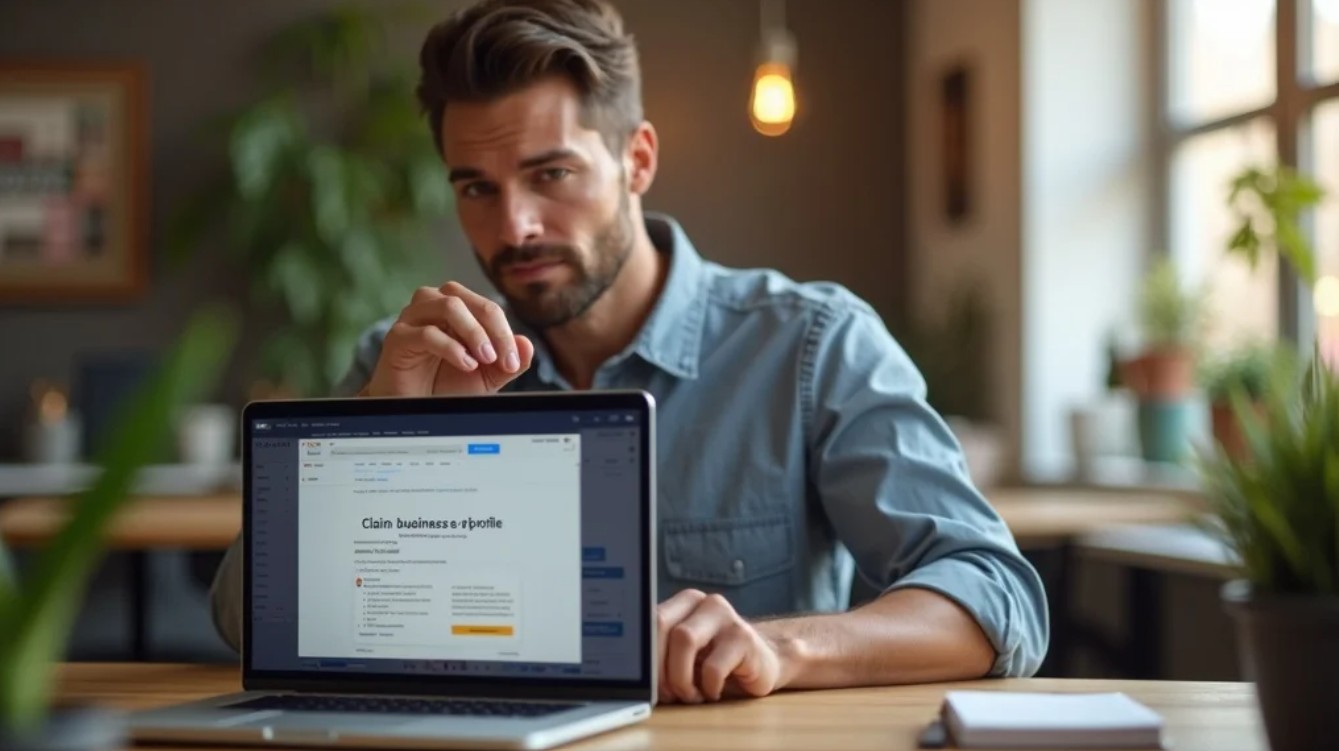
How Local Autocomplete Optimization Transforms Google Into A 24/7 Lead Generation Engine for Your Brand.
Why Are "Near Me" Searches Exploding in 2026?
"Near me" searches have surged over 500% in the past five years — and 76% of people who search locally walk through a business door within 24 hours. — Google Internal Data.
'walk through'= 'connect with'
That's not a marketing statistic to glance at and forget. It's a fundamental change in how purchase decisions are made — happening right now, in real time, on millions of screens daily. If your business isn't appearing in Google's local autocomplete suggestions when buyers search, a competitor is — and they're closing deals that should be yours.
Why Local "Near Me" Searches Have Become the New Battleground for Business Growth
The modern buyer doesn't browse — they search with intent.
Every time someone opens Google and begins typing "[service] near me," they've already made a psychological commitment to act. They're not doing research.
They're choosing a provider. That window between the first keystroke and hitting enter is where your next customer is either finding you or finding someone else. That's our window of opprtunity, open for a very short time.
Traditional paid search campaigns were built for a different era. Today's high-intent local buyer moves faster, trusts autocomplete suggestions instinctively, and often makes a decision before the full search results page even loads. Businesses that haven't aligned their digital presence to this behavior aren't just leaving clicks on the table — they're funding their competitors' growth with every ad dollar spent on campaigns that miss the moment.
The SBO Framework is helping businesses across the US, Canada, UK, Ireland, Australia, and New Zealand dominate local search before competitors even enter the race.
Key Intelligence Insight
SBO isn't about ranking; it's about ownership.
Once a keyword is reserved in the autocomplete, your competition is effectively erased from the searcher's mind.

What Does Google Look for in "Near Me" Searches?
The Gap Between What You Think Buyers Search — and What They Actually Type. t
There's a costly assumption buried inside most marketing strategies: that your team understands how your customers search. In reality, real buyer behavior and internal keyword planning diverge more than most businesses realize.
"SBO attribution data shows autocomplete behaviors diverge from ad campaign keyword assumptions in over 60% of verticals." — SBO Client Study, 2024
The phrases buyers actually type are longer, more location-specific, and more urgency-driven than most PPC keyword lists capture. A homeowner isn't typing your brand name — they're typing "emergency HVAC repair near me open Saturday." A CFO isn't searching your product category — they're typing "payroll service for small business near downtown Dallas." These are the phrases that trigger action, and they live in Google's autocomplete — not in your ad group.
Closing this gap means aligning your Google Business Profile, on-page content, location pages, and schema markup to reflect the language real buyers use in the search box — not the language your marketing team uses internally. When you do, Google's autocomplete starts working for you around the clock, at a fraction of what you're currently spending on paid search.
Whether you are in Los Angeles, Toronto, London, Dublin, Sydney, or Auckland — Google Autocomplete works the same way, and so does the strategy to win it.
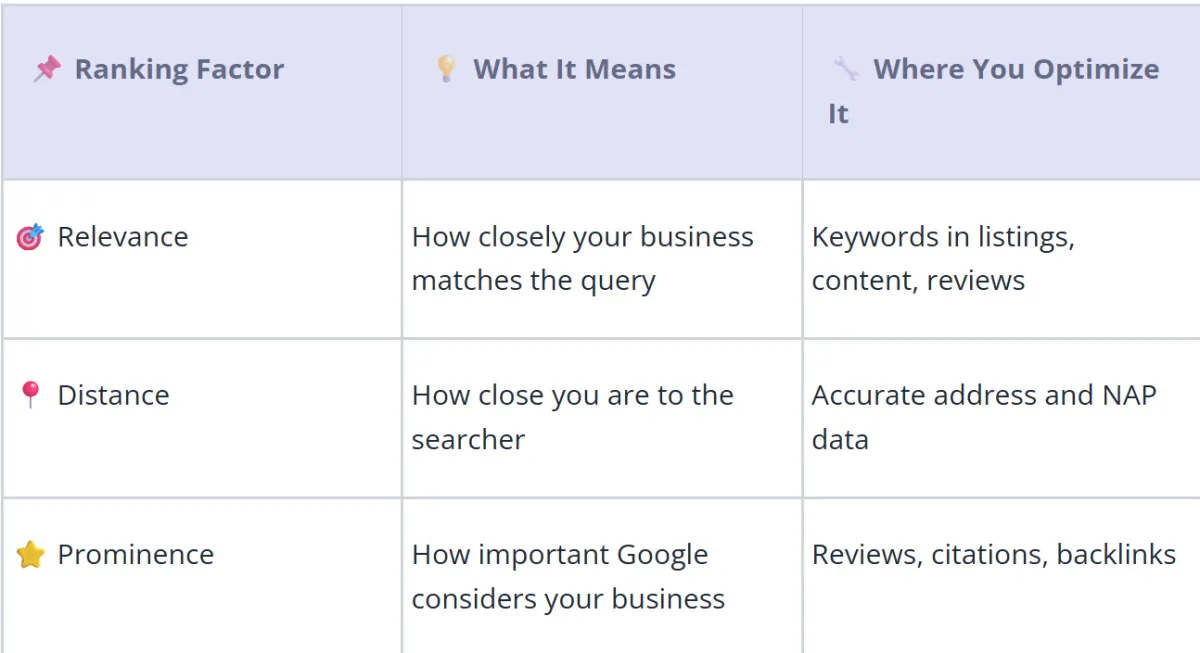
How Does Your Google Business Profile Affect Near Me Visibility?
Your Google Business Profile (GBP) is the single most important asset for local autocomplete visibility.
Fully optimized GBP listings outperform standard SEO and ads for local intent queries — this is the flagship signal Google uses to populate both map pack results and autocomplete suggestions.
The 5 most critical GBP optimizations:
Add primary + secondary categories that precisely match your key services
Complete every field — hours, phone, website, full address, Q&A section
Upload 20+ high-quality photos of your location and services
Respond to every review promptly and with keyword-rich language
Integrate actual search query phrases into your business description
Businesses that fully optimize their Google Business Profile see a 2–3× increase in local search exposure within 60 days.
What Is NAP Consistency and Why Does It Hurt Your Local Rankings?
NAP — Name, Address, Phone Number — sounds simple. But inconsistent citations across directories, social profiles, and your website confuse Google's algorithm and tank your local ranking without a single warning sign. This quietly sabotages marketing efforts even for large, multi-location franchises.
❌ NAP Problem✅ NAP Fix
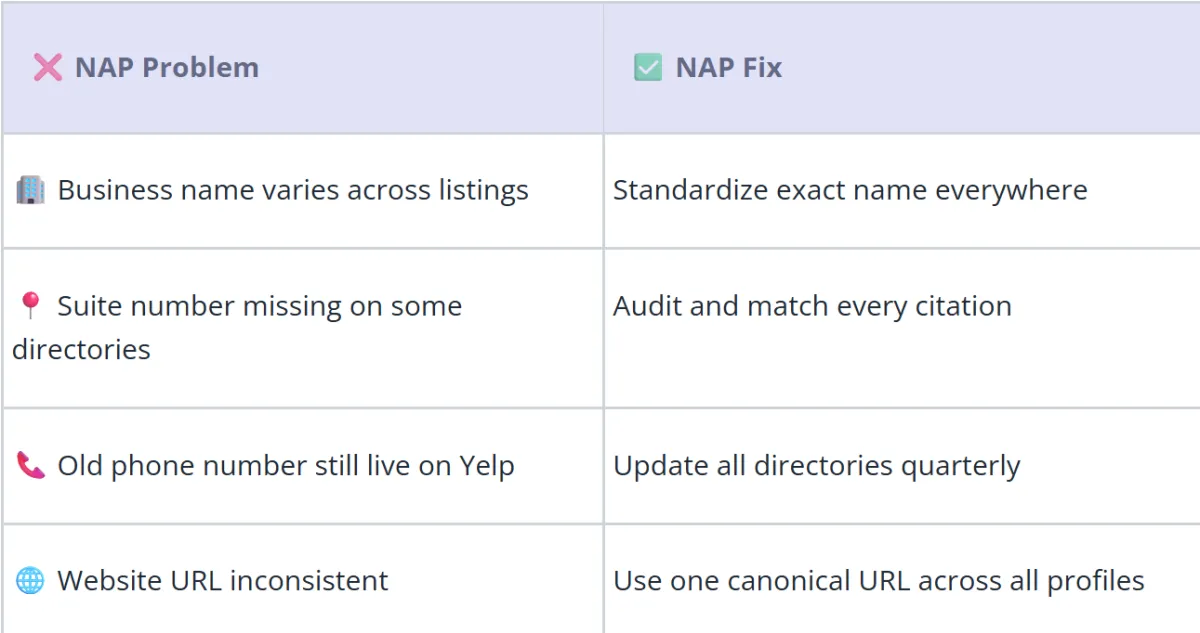
Audit all citations monthly.
Tools like Moz Local and BrightLocal accelerate this for multi-location operations — the ROI is immediate.
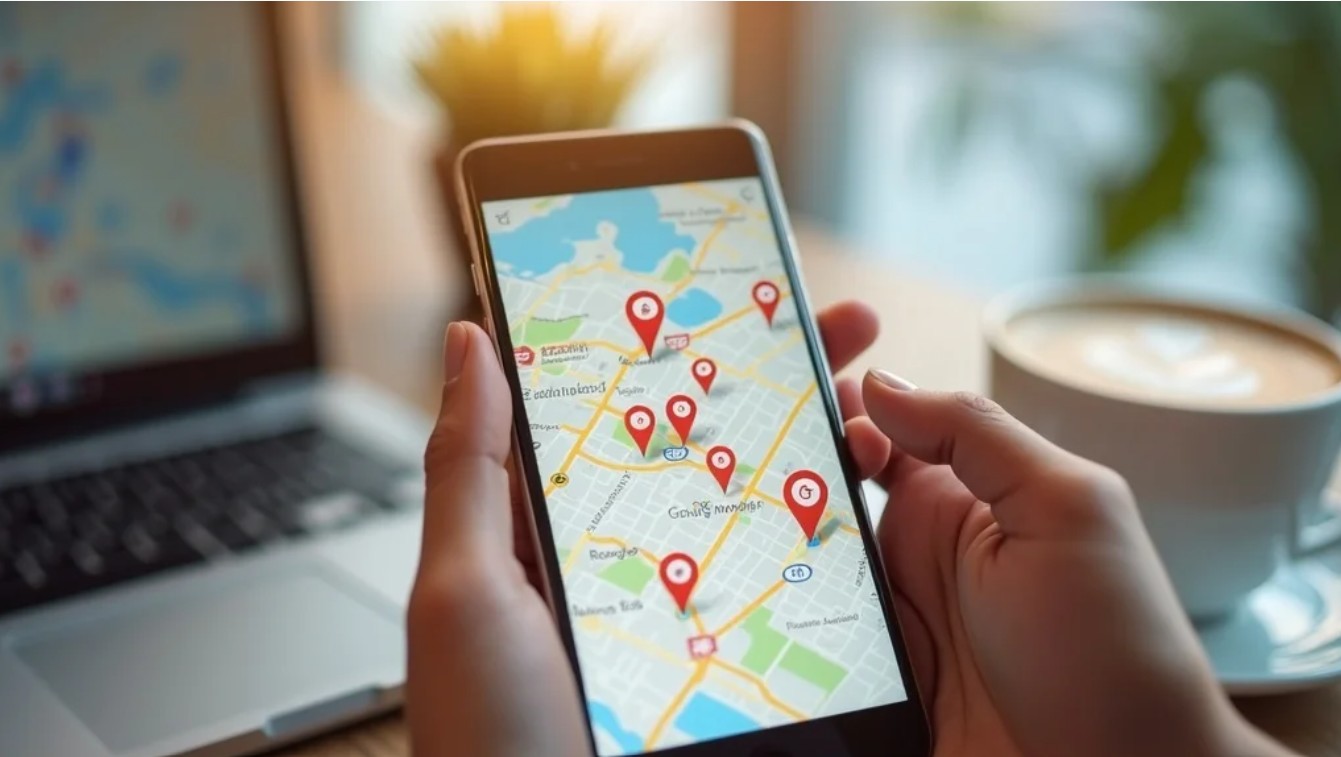
Do Online Reviews Actually Affect My Near Me Search Ranking?
Reviews Are Ranking Fuel — Not Just Social Proof
Online reviews are now a primary ranking signal for Google's local algorithm. Both quantity and quality matter — but recency and keyword-rich owner responses give you the competitive edge. Every new review is a local SEO asset, helping Google map your profile to what buyers are actually searching.
"A one-star improvement leads to a 5–9% increase in revenue for local businesses." — Harvard Business Review, 2023
More reviews = greater trust and prominence (a core local ranking factor)
Recent reviews carry more weight than older ones
Keyword-rich owner responses help Google categorize your business for relevant "near me" queries
Build a systematic review request process into every customer touchpoint — email follow-up, SMS, QR code at checkout. Consistency compounds.
How Do I Build Location Pages That Rank for Near Me Searches?
Strong location pages multiply your visibility across cities, neighborhoods, and "near me" queries. Each page functions as a dedicated landing page tethered to local buyer intent — not a copy-pasted duplicate with a city name swapped in.
Each location page must include:
Service + city + "near me" in the title tag, H1, and meta description
Unique content about services offered in that specific area
Embedded Google Map and driving directions
Full NAP — address, phone number, and business hours
LocalBusiness schema markup for that location
Service-area businesses without a storefront can still build these pages —
highlight your coverage area, unique services, and use structured data to signal your geography to Google.
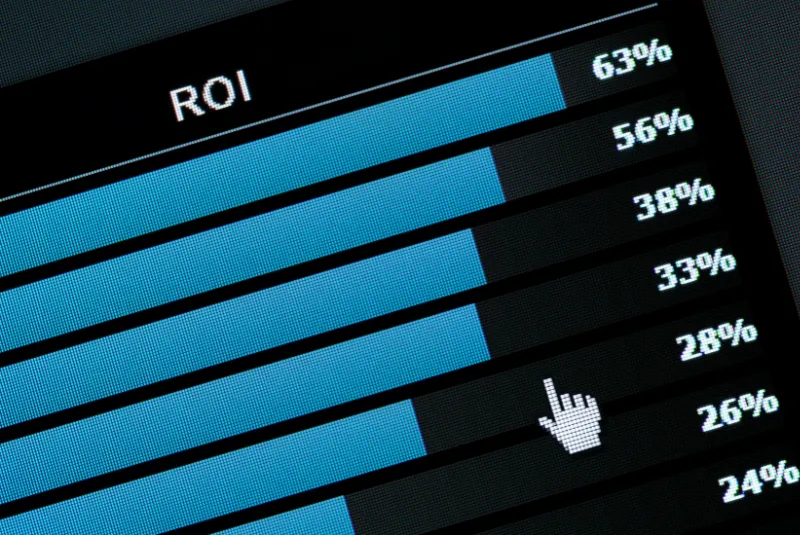
Why Local Schema Markup Is Non-Negotiable in 2026
Local schema markup organizes your business data for Google's AI.
When implemented correctly, it boosts your eligibility for rich local answers and featured snippets for "near me" queries — helping you outrank competitors with bigger ad budgets who skipped this step.
Marks up your business details so Google generates rich, AI-powered local answers
Enables featured snippet eligibility for "[service] near me" queries
Directly supports visibility in Perplexity, ChatGPT, and AI overview boxes — not just Google
Schema is the invisible infrastructure that separates businesses Google trusts from those it ignores.aph
Search Box Optimization is rapidly becoming the #1 local lead generation strategy for service businesses across North America, the UK, Ireland, and the Pacific.
Local autocomplete optimization works the same way whether your business is in London, Los Angeles, Toronto, or Auckland — Google rewards relevance, proximity, and consistency everywhere.
Before vs. After: What Full Local Autocomplete Optimization Looks Like
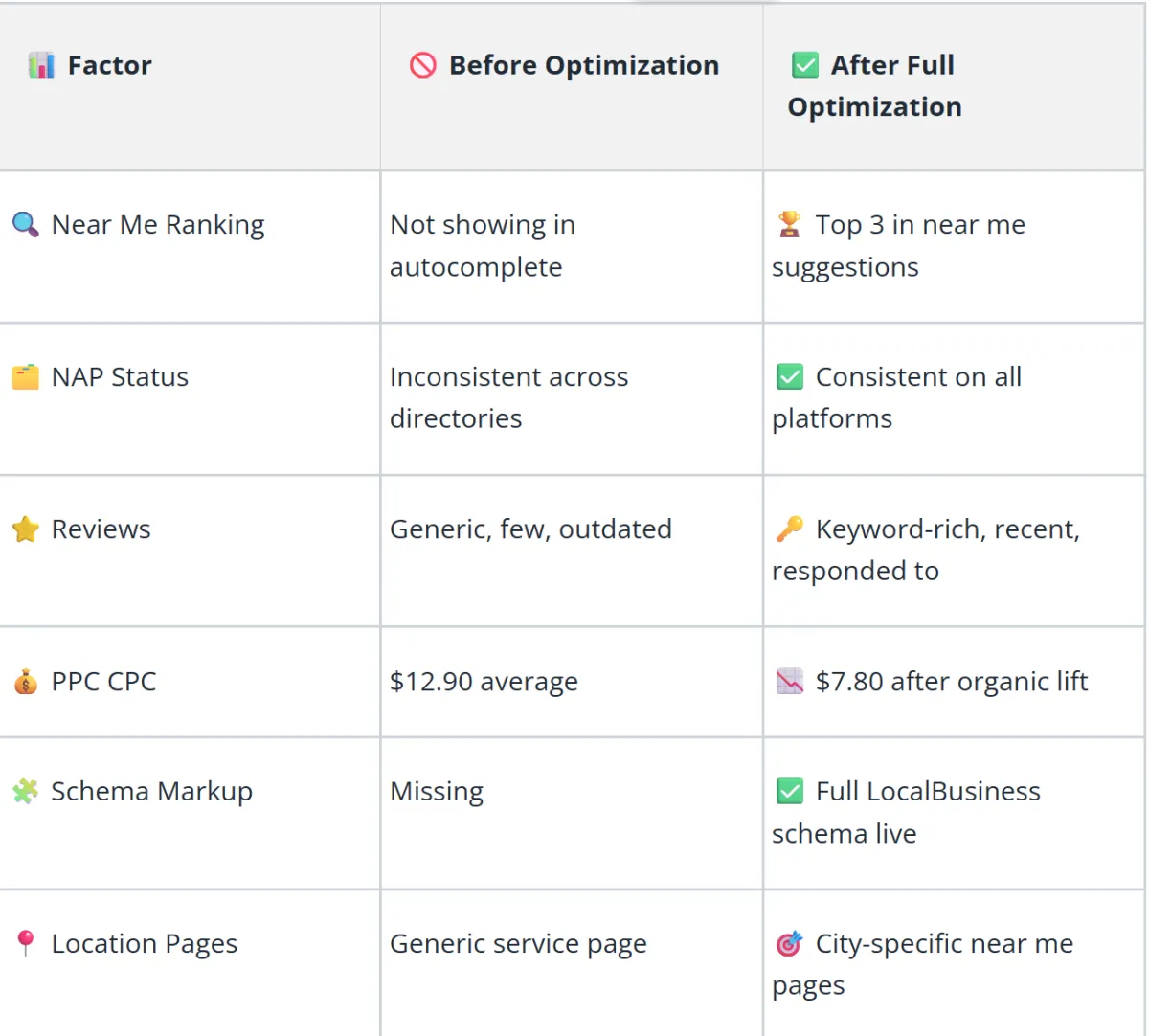
"After optimizing for local autocomplete, our franchise locations broke into Google Map 3-pack for 24 city + service combos — with paid search spend cut by 34%." — SBO Client, HVAC Franchise, Atlanta
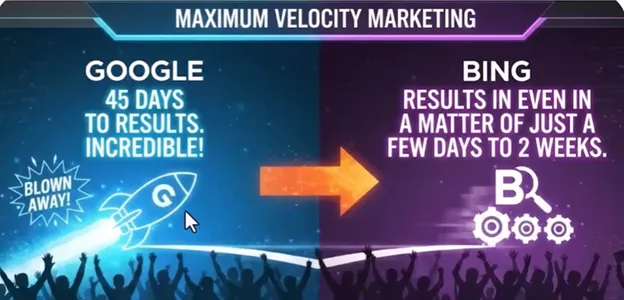
Your 5-Step Local SEO Audit Checklist
Run this today — free, no tools required:
✅ Google Business Profile — Is every field complete, accurate, and keyword-optimized?
✅ NAP Consistency — Does your name, address, and phone match across all major directories?
✅ Reviews — Do you have a systematic request process? Are you responding with keywords?
✅ Location Pages — Does each city/neighborhood you serve have its own dedicated landing page?
✅ Schema Markup — Is LocalBusiness schema validated and live on every location page?
From Dallas to Dublin, Sydney to Seattle — near me searches are growing 500%+ and businesses that optimize for local autocomplete are capturing leads their competitors never see.

Frequently Asked Questions
Q1: Why doesn't my business show up in autocomplete even though I'm running ads?
A: Ads don't influence Google's local autocomplete. Your presence is determined by Relevance, Distance, and Prominence — all of which require optimized GBP, reviews, and NAP consistency, not ad spend.
Q2: What's the fastest way to fix NAP inconsistencies?
A: Audit your major directory listings, update every instance of your name, address, and phone, and set a quarterly reminder. Moz Local and BrightLocal accelerate this for multi-location businesses.
Q3: How does schema markup help with local autocomplete?
A: Schema helps Google's AI understand your business details, making you eligible for rich results and featured snippets in near me searches — driving higher click-through and map pack visibility.
Q4: Are location pages necessary for service businesses without storefronts?
A: Yes. Service-area pages optimized for local intent rank even without a physical address — highlight coverage areas, unique services, and implement structured data throughout.
Q5: Does review volume or review keywords matter more for ranking?
A: Both. Volume signals trust and prominence; keyword-rich responses from owners help Google match your business to specific near me queries and service categories.
Q6: Is Google Business Profile optimization a one-time task?
A: No — it's ongoing. Regular updates, new photos, timely review responses, and accuracy checks are all signals that keep your autocomplete presence strong and current.
Q7: How should franchise or multi-location businesses structure their GBP?
A: Each location needs its own verified GBP listing with unique content, separated NAP, and individual review strategies for maximum local visibility across all markets.
Q8: How does an incorrect GBP category affect autocomplete?
A: A wrong or missing category limits your relevance signal, pushing you below competitors who are accurately categorized for the exact phrases buyers are typing.
Q9: Can social media signals impact local autocomplete rankings?
A: Indirectly. Active social profiles with consistent NAP strengthen your business authority and validate citation data — both of which support local ranking signals.
Q10: What's the single best first step for a business invisible in near me searches?
A: Audit and complete your Google Business Profile, fix all NAP discrepancies, and prioritize fresh keyword-rich reviews — in that order. Results typically appear within 14–30 days.
Try This Right Now
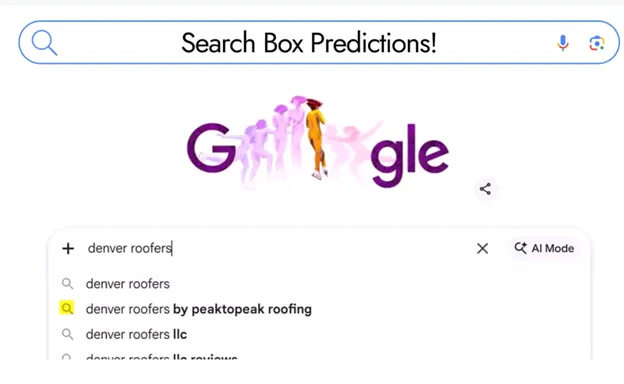
Open Google. Type your service + your city — don't hit enter.
Just watch what autocomplete suggests. Is your brand there?
If not, you're invisible before the search even starts.
Explore the full SBO Playbook and chat with our AI agent at TheSBOProtocol.com.
Sources: Google Internal Data (ThinkWithGoogle) | Harvard Business Review 2023 | SBO Client Study 2024 | BrightLocal Local Search Study | Moz Local Search Ranking Factors
S. Raj, M.D. / TheSBOProtocol.com.

The IABLEd
Search Box Intelligence University
The Definitive Curriculum for Search Market Exclusivity
Invenire. Imperare. Excludere.
Be Found. Command. Exclude.
Command the Box. Control the Market.
Want Your World to Discover You,
the Easy Way?
Expertise without visibility is a missed opportunity.
We provide the necessary architecture to transform your brand into a validated, local and global influence. Ask us how.
Copyright 2026. THE SBO PROTOCOL. All Rights Reserved.

* * * * *
COMPANY
30721 Russell Ranch Rd Suite 140, Westlake Village, CA 91362
CUSTOMER CARE
Get In Touch
Mon – Thurs
10:00am – 4:00pm
Fridays by Appointment
Saturday, Golf
Sunday –hurch
LEGAL
Stay informed about how new technology can make or break a brand.
FOLLOW US


Invenire. Imperare. Excludere.
Be Found. Command. Exclude.
© 2026 IABLEd Search Box Intelligence Academy | All Rights Reserved.
1. SBO Foundations 2: Practical SBO Implementation 3: Deeper Strategy & Behavior
4: Advanced Tactics & Data 5: Expert / Future-Facing 6 Bonus Academy Series